HE GAVE YOU A GOLD NECKLACE AT 11:15 P.M. … BY DAWN YOU FOUND YOUR OWN LIFE INSURANCE POLICY HIDDEN INSIDE IT, WITH FOUR WORDS IN HIS HANDWRITING: “TOMORROW NIGHT. MAKE IT LOOK NATURAL.”

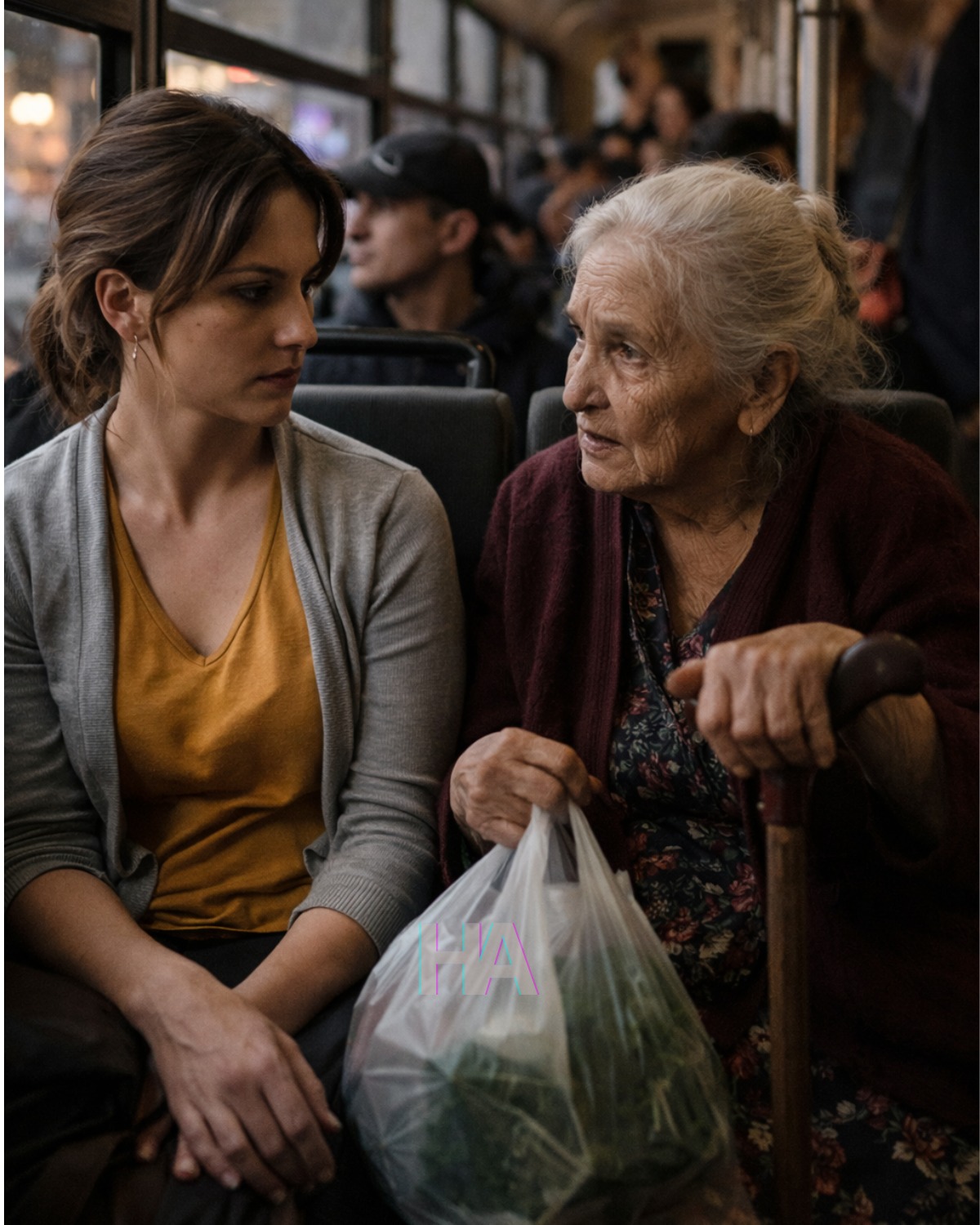
None of it was proof, and proof matters when you have spent your life being told not to be dramatic. So you did what so many women do when their instincts begin to grow teeth. You called it stress. You called it a rough patch. You called it adulthood, because that sounded cleaner than admitting you might be lying to yourself.
At 11:15 that night, Mauricio walks in smiling. Not his regular smile either, not the distracted half-smirk he uses when he wants you to stop asking questions, but something brighter and stranger, like he practiced it in the car. He sets a small blue box on the kitchen counter and says, “Don’t look at me like that. It’s for you.” The room goes still around you.
Mauricio is not a gift man. He forgets anniversaries unless there is a witness. He once brought home gas station flowers after a three-day fight and acted like he deserved a parade. So when you open the box and see a delicate gold necklace with a teardrop-shaped pendant, your first feeling is not gratitude. It is confusion, followed immediately by the animal flick of fear.
“It’s beautiful,” you say, and your voice sounds borrowed.
“Put it on,” he says.
You look up. “Now?”
“Yeah,” he says too fast. “I want to see it on you.”
That is when the old woman’s warning comes back so sharply it feels like somebody whispered into your ear from behind your shoulder. You laugh, because you need a second to think, and say you want to wash your hands first. Mauricio’s face changes by a fraction, but it is enough. Not anger, not disappointment, something worse: urgency wrapped in patience, like a man trying not to spook a horse standing at the edge of a cliff.
When he goes into the bedroom to change, you fill a water glass and lower the necklace into it. Then you leave it on the far end of the counter under the cabinet light, absurdly embarrassed by yourself and unable to stop. You crawl into bed beside him twenty minutes later and pretend to fall asleep while he lies awake longer than usual, staring at the ceiling. Sometime after midnight, you hear him get up and pad toward the kitchen, then stop, then come back.
At 6:03 a.m., a smell drags you awake. Sour, metallic, wrong. Barefoot, still in your old sleep shirt, you walk to the kitchen and stop so hard your heel slides against the tile.
The water in the glass is no longer clear. It has turned thick and greenish, the surface slick with a shimmering film. The teardrop pendant has split open along a seam so fine you would never have noticed it dry, and at the bottom of the glass lies a folded strip of plastic and a gray powder that looks like ash.
Your hands shake so hard you nearly drop the glass. You fish out the folded strip with a spoon, rinse it, and unfold it on a dish towel. It is a reduced copy of your life insurance policy, complete with your name, your forged signature on a recent beneficiary amendment, and the payout amount that makes your chest cave in. In the lower corner, in Mauricio’s unmistakable handwriting, are four words that erase sleep, doubt, and denial in one violent stroke.
Tomorrow night. Make it look natural.
You hear footsteps in the hallway. For one wild second you consider running, but running where, with what money, and how fast can a woman run when the man coming toward her has already been planning her death? You shove the little policy copy into the pocket of your robe, dump the ruined necklace back into the glass, and turn just as Mauricio enters the kitchen scratching the back of his neck like this is an ordinary morning. His eyes go straight to the counter.
“You’re up early,” he says.
You force a yawn. “Couldn’t sleep.”
Then he sees the glass. Something hot and ugly flashes through his face before he swallows it. “What happened?”
You shrug. “Cheap metal, I guess. Sorry.”
For two seconds, silence fills the room like floodwater. Then he gives a small, careful laugh that lands dead on the tile between you. “That’s weird,” he says. “I’ll take it back.”
You study him the way bomb technicians study wires. “Sure.”
He steps closer, reaches for the glass, and you see it clearly now: not panic that the gift was ruined, but panic that the plan was exposed. Yet he doesn’t know how much you know. That becomes your first advantage, small and fragile and bright as a match in a cellar.
You get through the day at work by moving like a machine that nobody realizes is on fire inside. In the accounting office of a mid-sized construction firm on the northwest side, numbers blur and voices echo and every normal sound starts to feel sinister. You print payroll summaries, answer two emails, fake a headache, and spend your lunch break in the restroom stall staring at the tiny copy of your insurance policy. Whoever helped Mauricio update the beneficiary knew enough to make it look real at a glance.
At 12:41 p.m., you call the insurance company from a pay phone outside a taqueria three blocks from work. You do not use your cell. You give them your information and say you need to confirm your current beneficiary because you are reviewing personal paperwork for tax season. The woman on the line tells you the beneficiary was changed nine days ago from your sister Elena to your husband, Mauricio Vega.
You lean one hand against the wall because the ground tilts. “I never authorized that.”
The representative pauses, and her voice lowers. “Ma’am, there is a signed request on file.”
Of course there is. You picture Mauricio learning your signature over years of seeing it on checks, lease renewals, greeting cards, birthday gift tags you signed for both of you because he could never be bothered. Familiarity is the oldest burglary tool in marriage. By the time you hang up, your fear has matured into something colder and more useful.
You do not go to the police first. Later, some people will think that means you were naive, but fear does not produce textbook decisions. Fear makes you count odds. Mauricio’s cousin is a deputy in Bexar County. Mauricio himself has no record, no public temper, no history that would make strangers believe he could pivot from indifference to murder.
So you call Elena.