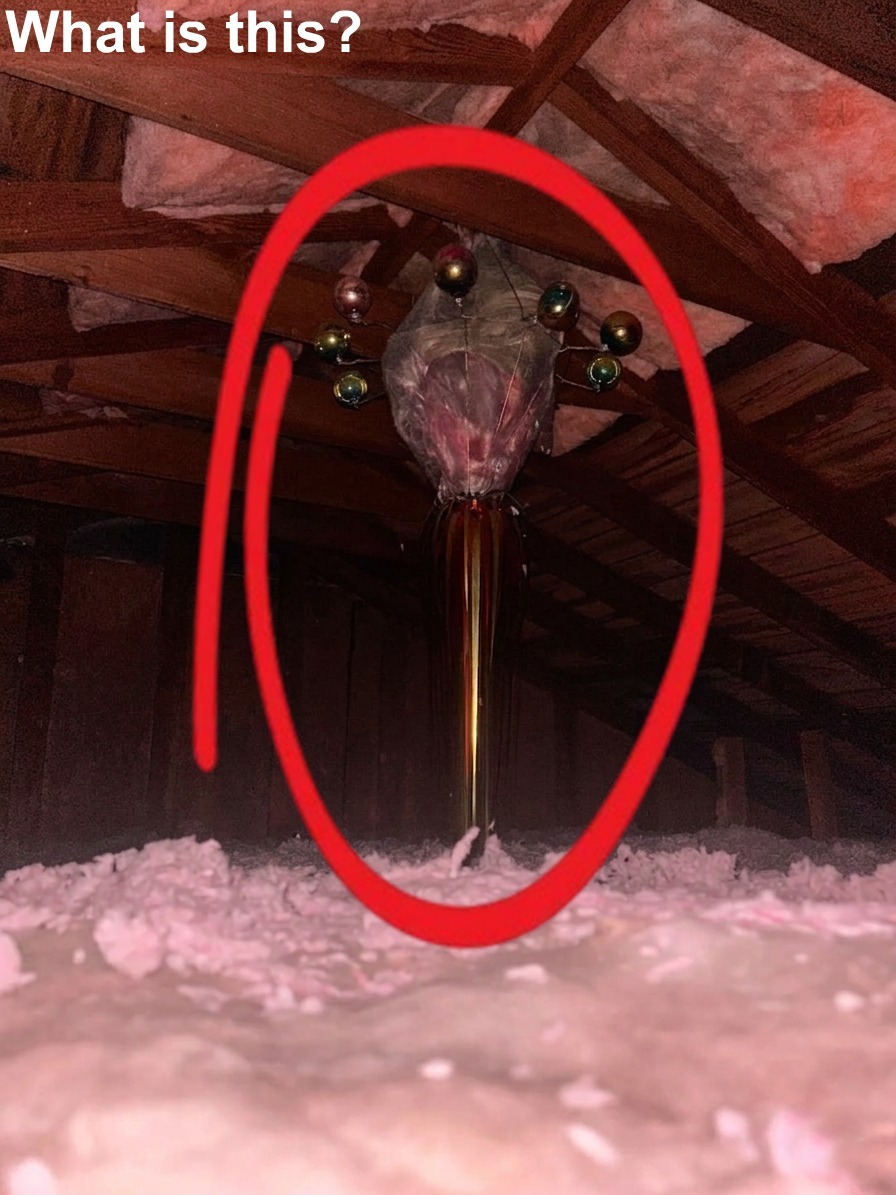
Let’s walk through a thoughtful, grounded approach to evaluating those mysterious attic discoveries.
Why Attics Are Full of Surprises
Attics tend to accumulate objects that people don’t want to throw away but don’t use often. Over generations, this can lead to a mix of items from completely different eras—some valuable, some sentimental, and some just… confusing.
You might find:
* Old photographs with no labels
* Antique tools or devices that look unfamiliar
* Boxes of letters or documents
* Unusual containers or sealed packages
* Decorative objects that seem out of place
Because these items are removed from their original context, they often appear more mysterious than they actually are.
Step 1: Pause Before You Assume Anything
The first instinct when encountering a strange object is to label it quickly—sometimes dramatically. People often jump to extremes:
* “This must be worth a fortune.”
* “This looks dangerous.”
* “Is this something paranormal?”
In reality, most attic discoveries have simple explanations. A strange-looking metal device might be an old household tool. A sealed box might contain nothing more than paperwork. Even eerie-looking dolls or artifacts are usually just products of their time.
Taking a moment to observe without assuming sets the tone for a more rational investigation.
Step 2: Look for Contextual Clues
Objects rarely exist in isolation. Their surroundings often provide valuable hints about their origin and purpose.
Ask yourself:
* Where exactly was the item found?
* Was it stored carefully or tossed aside?
* Are there similar items nearby?
* Are there labels, markings, or dates?
For example, a stack of old papers tied neatly with string might indicate important documents rather than random clutter. A box stored with other household tools is likely practical, not mysterious.
Continued on the next page