In the rush to declutter, people sometimes discard items that could have historical or sentimental value.
3. Damaging Items During Inspection
Rough handling can reduce value or destroy fragile objects.
4. Trusting Unverified Information
Online guesses aren’t always accurate. Cross-check sources before making decisions.
Step 10: Embrace the Story Behind the Object
Sometimes, the most rewarding part of discovering something unusual isn’t what it’s worth—but what it represents.
Every item has a story:
* Who owned it?
* Why was it kept?
* What role did it play in everyday life?
Even mundane objects can become fascinating when viewed through a historical or personal lens.
An old kitchen tool might reveal how people cooked decades ago. A stack of letters might uncover family connections you never knew existed.
The Psychology of “Strange” Finds
It’s worth noting that “strange” is often just a reflection of unfamiliarity. Objects from different time periods or cultures can seem unusual simply because we lack context.
Our brains are wired to fill in gaps with imagination—sometimes leading us to dramatic conclusions.
Recognizing this tendency helps keep your investigation grounded.
Turning Discovery Into Opportunity
Instead of viewing attic finds as confusing or unsettling, consider them opportunities:
* To learn something new
* To connect with history
* To uncover family stories
* To potentially discover something valuable
Approaching the process with curiosity rather than fear makes the experience far more rewarding.
Final Thoughts
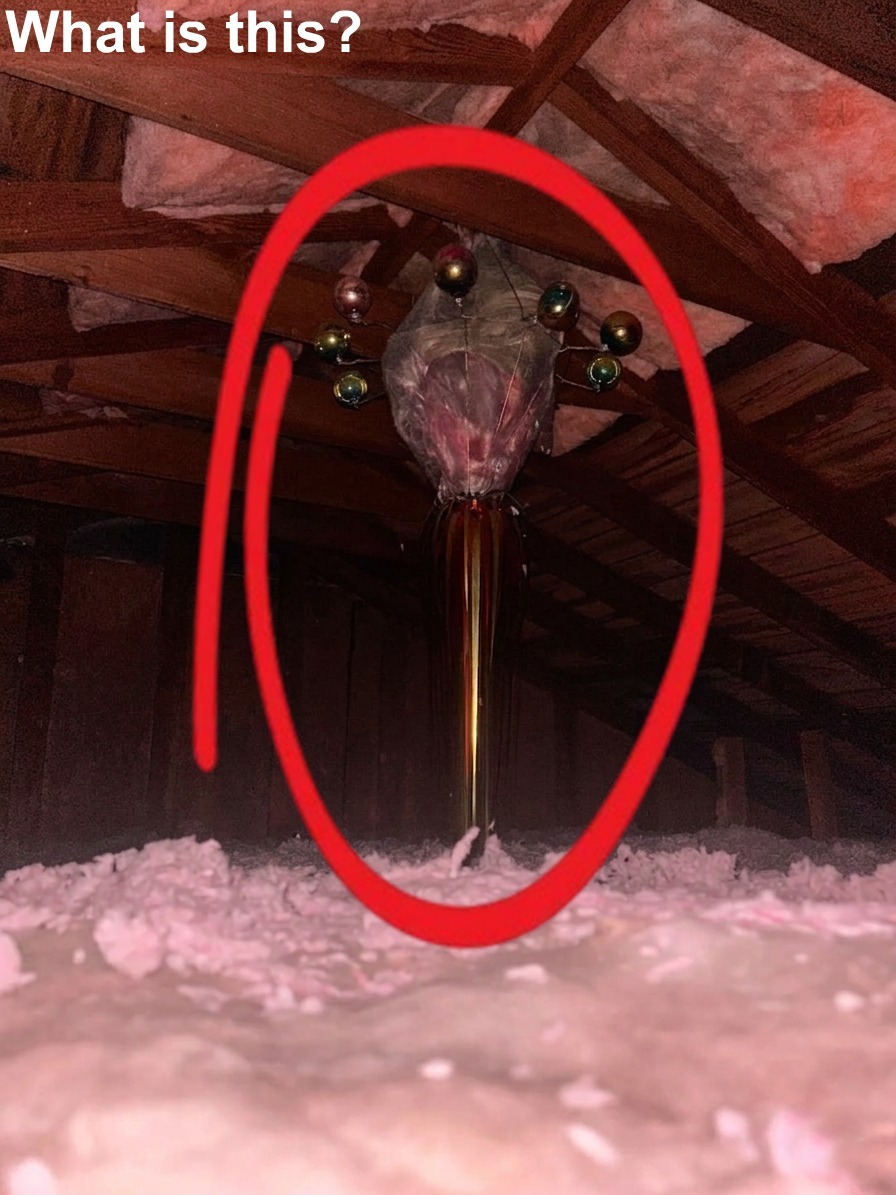
Finding something strange in your attic can feel like the beginning of a mystery—but it doesn’t have to become one.
By taking a calm, methodical approach, you can turn uncertainty into understanding. Most objects have logical explanations, and even the unusual ones can often be identified with a bit of patience and research.
Continued on the next page