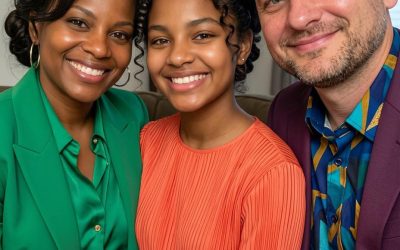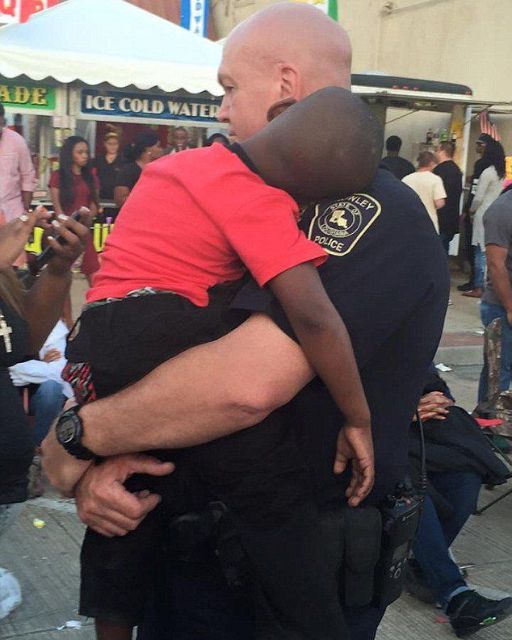
It was nerve-wracking. Standing in front of a room full of people, including several police officers, and talking about something so raw and sensitive. But we did it. We talked about our fear when Zavi went missing, our relief when he was found safe, and the unsettling realization that the narrative could have been so different.
Officer Davies was there that night. He spoke too, sharing his own thoughts and experiences. He talked about wanting to be a positive presence in the community, about understanding the historical context that shaped people’s perceptions.
The conversation wasn’t easy. There were tense moments, disagreements, and uncomfortable truths. But there was also a sense of genuine listening, a willingness to engage. It felt like a small step, but a step nonetheless, towards bridging the gap between the community and the police force.
The rewarding conclusion wasn’t about finding a simple solution or erasing years of systemic issues. It was about finding a way to connect, to humanize each other, to start a conversation that needed to happen. It was about turning a moment of fear and uncertainty into an opportunity for growth and understanding.
Officer Davies became an unexpected ally. He continued to participate in community forums, advocating for more training on implicit bias and de-escalation tactics. He even started a youth outreach program, organizing events that brought kids and cops together in positive settings.
My sister and I stayed involved too. We didn’t become activists overnight, but we found our voices. We shared our story with other community groups, hoping to inspire similar conversations.
Continued on the next page