HE GAVE YOU A GOLD NECKLACE AT 11:15 P.M. … BY DAWN YOU FOUND YOUR OWN LIFE INSURANCE POLICY HIDDEN INSIDE IT, WITH FOUR WORDS IN HIS HANDWRITING: “TOMORROW NIGHT. MAKE IT LOOK NATURAL.”

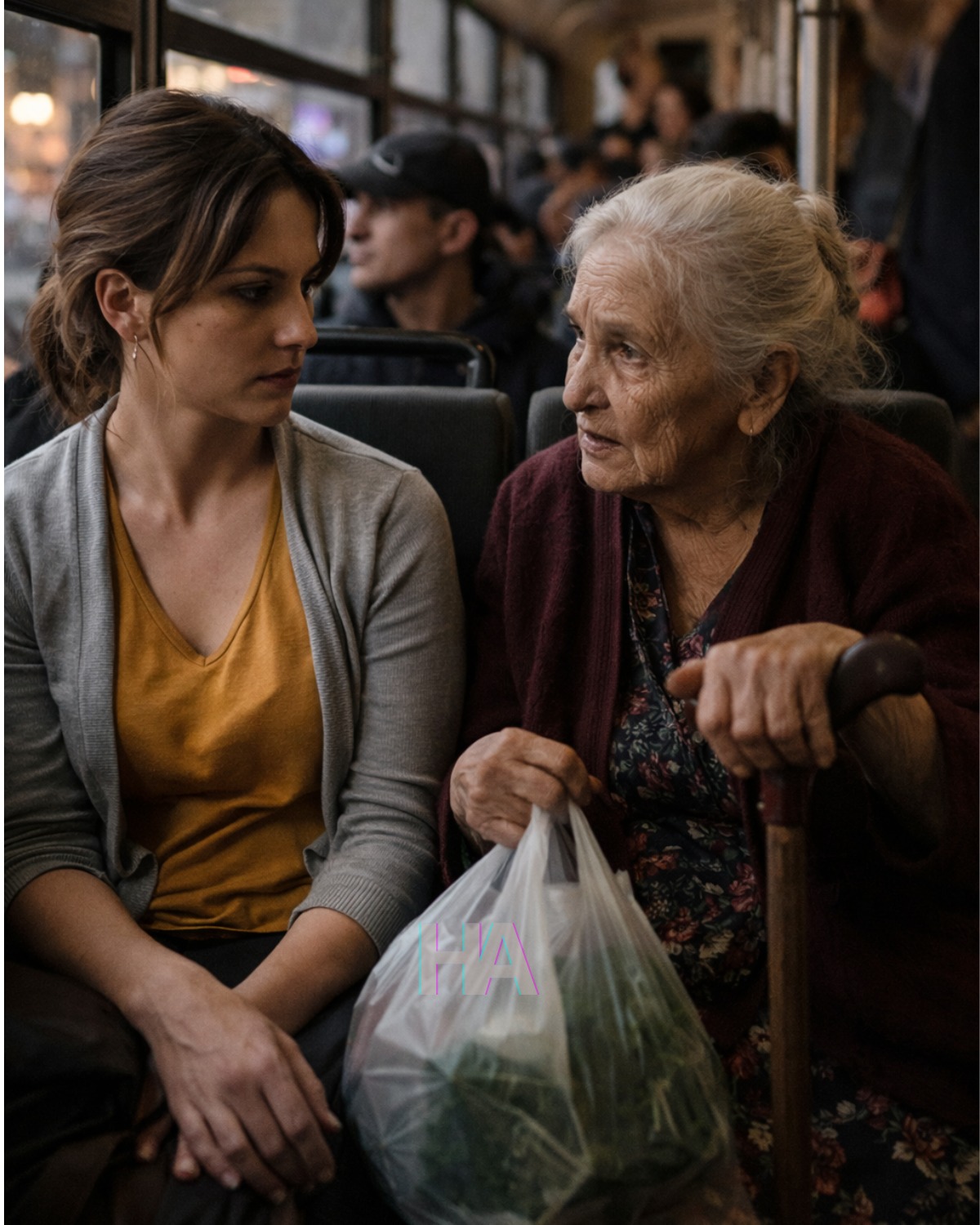
The front door flies inward so violently it hits the wall. Detective Phelps comes in first with two uniformed officers behind her, weapons drawn, voices sharp and overlapping. “Hands! Hands where I can see them!” Mauricio jerks toward the back room, maybe for the vial, maybe for a weapon, maybe just for escape, but he does not make it three steps before one officer tackles him into the floorboards.
You collapse against the counter, shaking so hard your teeth click. Phelps reaches you second, not with softness exactly, but with the efficient steadiness of someone used to catching people on the edge of catastrophe. “You’re okay,” she says, and you hate the sentence because it is not true, not yet, but you cling to it anyway because your body needs a rope and words will do.
The search of the cabin turns a bad case into a monstrous one. In the bedroom closet they find rope, duct tape, an extra tarp, and a cooler containing enough chemicals to tell a story nobody can spin as romance. In the kitchen drawer, the unlabeled sedative. In Mauricio’s truck, a second phone with messages between him and Rosa, including one sent an hour before you arrived: After tonight, we’re clear. Then the worst line of all: Make sure there’s bruising from the stairs, not the hands.
A staged fall. Insurance payout. Clean narrative.
They arrest Mauricio on the spot. Rosa is picked up before sunrise at a motel near Kerrville. She is not glamorous in person. Not the devastating fantasy you punished yourself imagining during long, suspicious nights. She is ordinary-faced, hard-eyed, and six years older than you expected, with prior charges for prescription fraud and identity theft in another county under a different surname. Gabriel is the one who finds that. He does it with the grim satisfaction of a man who has seen too many greedy people underestimate paperwork.
In the days that follow, your life becomes evidence. Detectives photograph your kitchen, your bedroom, your medicine cabinet. They subpoena insurance records, bank transfers, phone logs, deleted cloud backups. Mauricio’s employer confirms he lied about the cabin owner. The property belongs to Rosa’s uncle, who claims he thought it was being used for “a private anniversary weekend.” That version collapses when forensic testing finds traces from a prior cleanup on the back steps.
The deeper they dig, the more horrifying the picture becomes. Mauricio and Rosa were not improvising a one-off murder out of sudden passion. They had been planning your death for at least three weeks. They researched accidental falls, toxic exposure, staged robbery scenarios, and how quickly a life insurance claim can be processed when a spouse dies without children. There is even a draft note on Rosa’s phone: She’d been depressed lately. Heartbreaking but not shocking.
That line almost breaks you harder than the rest. Not the murder plan itself, not the chemicals, not the tarp. The casual theft of your voice afterward. The intention to make your death sound like a sad extension of your own life, something anticipated, explainable, almost tidy. It is the final insult of people who think the dead exist to simplify the living.
Continued on the next page