YOU SHOWED UP AT YOUR EMPLOYEE’S HOUSE TO FIRE HER… AND THE SECRET ON HER KITCHEN TABLE DROPPED YOUR YOU SHOWED UP AT YOUR EMPLOYEE’S HOUSE TO FIRE HER… AND THE SECRET ON HER KITCHEN TABLE DROPPED YOUR GLASS EMPIRE TO ITS KNEES

You stare at her, trying to force the world back into neat categories, but it won’t cooperate. María Elena tells you she was an aide nurse years ago, hired quietly, paid in cash, told to sign nothing. She says Sofía was sick, very sick, and your father refused to let the family name be linked to weakness. She says Sofía spent months hidden from the public, hidden from the company, hidden from you, because your family believed shame was worse than death. You feel a hot pressure behind your eyes, a furious disbelief, because you were at Sofía’s funeral, you were told it was an accident, and your grief has been built around that story for fifteen years. María Elena says Sofía trusted her, talked to her, clung to her like a lifeline, and the jealousy of that detail turns your stomach. She explains that on the last night, Sofía pressed the pendant into her palm and begged her to protect someone who would be left unprotected. Your heart stutters when María Elena points toward the mattress and says, “He is her blood.” You look at the boy again, and you see it, the almond-shaped eyes, the curve of the cheek, the same quiet stubbornness in the brow. Your throat tightens as if the truth is trying to climb out.
You demand proof because your brain can’t survive on emotion alone. María Elena crawls to a small tin box under the table, shaking so hard she drops it once before lifting it again. Inside are folded papers, an old hospital wristband, and a letter in Sofía’s handwriting that you recognize instantly. The first line is your name, written as if Sofía expected you to be reading it one day, and you feel your stomach turn over. María Elena says Sofía had a child young, before the family decided image mattered more than love, and that child was sent away, erased, treated like a scandal to be managed. She says Sofía never stopped checking, never stopped worrying, and when she realized her health was failing, she tried to reach for her child again. Your lungs feel too small for the air in the room, because every sentence rearranges your past like someone is demolishing a wall you leaned on. María Elena explains that after Sofía died, men connected to your family came to her apartment, took documents, threatened her, and told her to disappear. She says she ran, not because she was guilty, but because she was terrified and alone. Then she points at the boy and says he is Sofía’s grandson, and the word “grandson” hits you like a fist because you never knew you were an uncle.
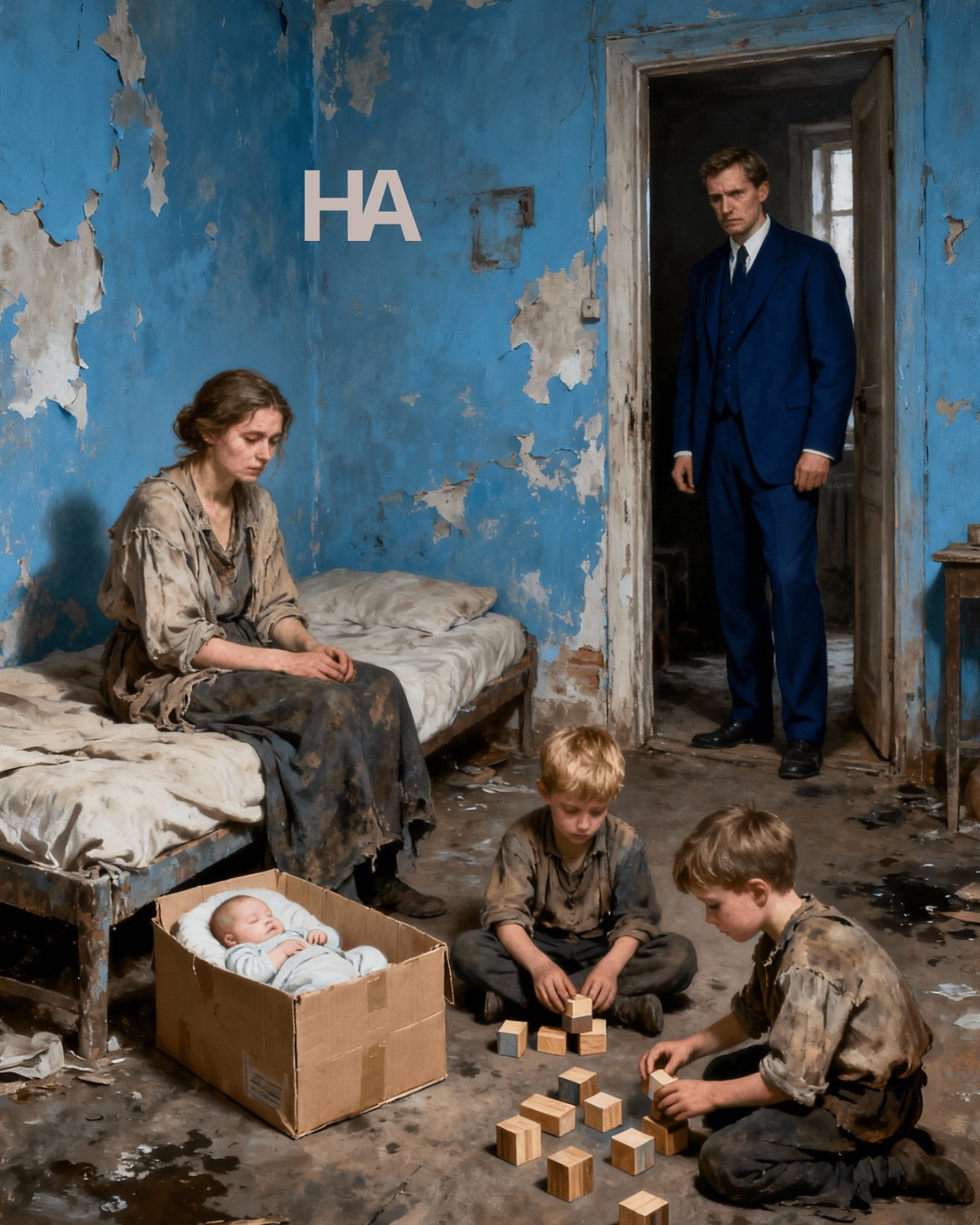
The boy coughs, a harsh wet sound, and the moment yanks you out of the spiral. María Elena says his name is Diego and he has the same condition Sofía had, the kind of illness that doesn’t care if you’re rich or poor. She says medication keeps the symptoms controlled, but medication costs more than her monthly wages, and some months she chooses between rent and survival. She tells you she took the cleaning job at your company because it was steady and because it kept her close to you, the only person with the power to change what your family buried. You feel fury rise, but it’s no longer aimed at María Elena, it’s aimed at the invisible machinery that shaped this scene. You look around and see the poverty you usually ignore, the kind that isn’t dramatic in movies, just relentless in real life. You see the baby bottles lined near the sink, the cheap fan blowing warm air, the pharmacy receipts stacked like failed prayers. María Elena says she was afraid that if she told you, you would take Diego from her and leave her with nothing. You want to deny it, but you know your family’s history of control makes her fear logical. The child’s fevered eyes flutter open, land on you, and then drift away, and you feel a strange protective heat ignite where your pride used to sit. You finally hear yourself say, softer than you intended, “We’re going to the hospital.”
continued on next page