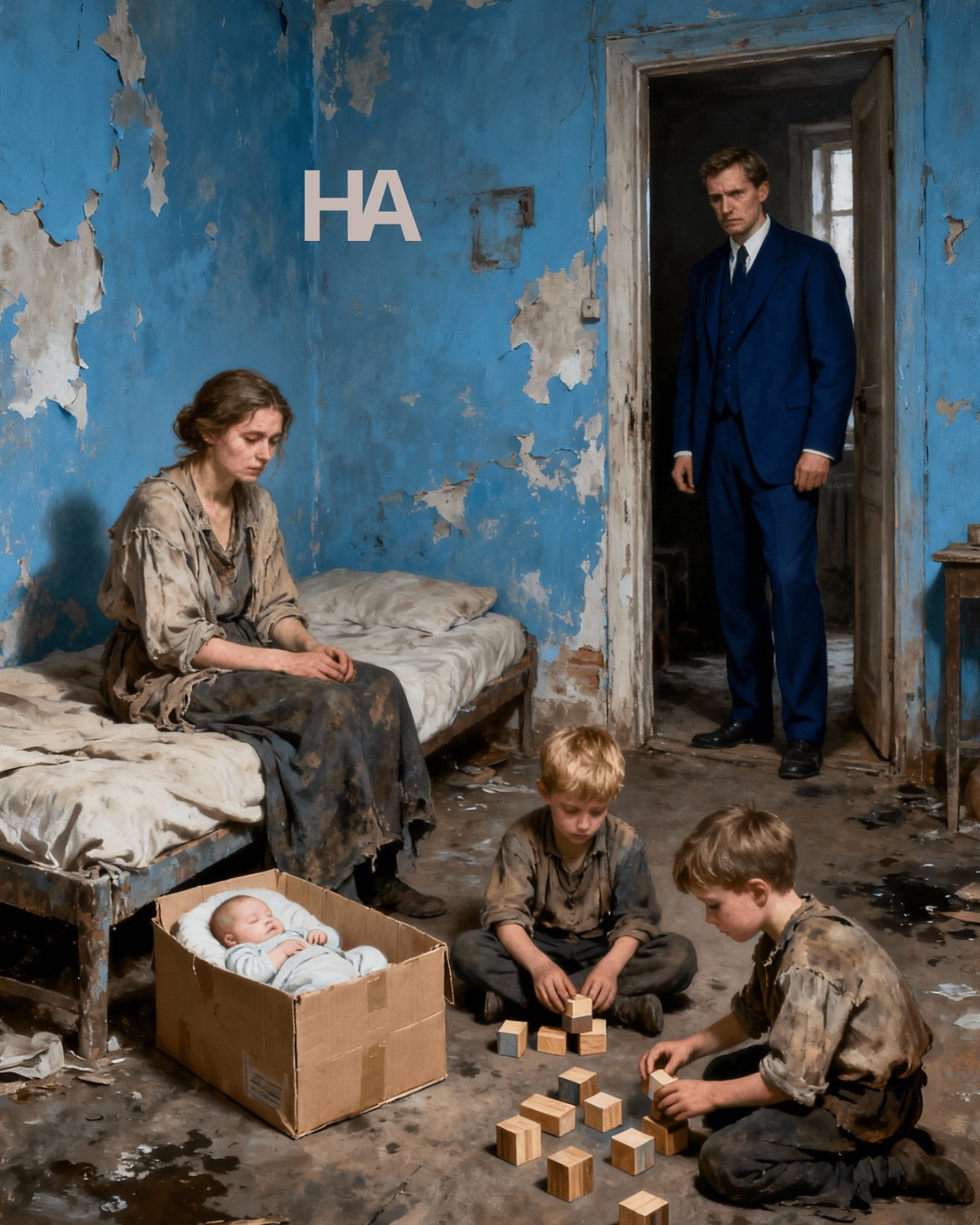
You move fast, faster than you’ve moved for any contract signing, because this is not money, this is blood and breath. María Elena hesitates, clutching Diego as if the world might snatch him away, and you have to steady your voice like a weapon used for good. You call your driver, then you call the best hospital in the city, and your name makes everyone’s tone change immediately. Doctors are alerted, a private room prepared, specialists placed on standby, all because you are Roberto Mendoza and the world still bends for you. You hate that it bends now, because it means it could have bent for Sofía too if you had been told the truth. María Elena climbs into the backseat with Diego in her arms, shaking, whispering prayers under her breath. You sit in the front, staring forward, jaw locked, while your mind replays every memory you have of Sofía. You remember her laughter, her arguments with your father, the way she used to stand between you and cruelty when you were younger. You remember the day she died, the closed-casket funeral, the rushed explanations, the way your father’s eyes looked dry and proud. Your hands grip your knees as the car speeds toward the hospital, and you realize your entire life might be built on a lie.
In the hospital waiting room, the fluorescent lights make everything look harsh and unforgiving. María Elena sits hunched, holding the tin box of documents like a fragile heart, and you can’t stop looking at her like she’s a bridge to a past you didn’t know existed. You ask her questions you should have asked your family years ago, and every answer tastes like betrayal. She tells you Sofía used to talk about you, used to defend you, used to insist you had a good heart underneath all that ambition. That detail makes you ache because it sounds like forgiveness, and you don’t know if you deserve it. You recall every time you ignored Sofía’s calls because you were in a meeting, every holiday you missed because you were “building something.” You tell yourself you did it for the family, for the future, for security, and now the words feel empty. A doctor finally approaches and explains Diego’s condition with calm precision, describing symptoms, risks, and a treatment plan that requires consistency. You hear “genetic link” and “family history” and it feels like the universe stamping Sofía’s name across the diagnosis. You sign paperwork without reading it, because the only thing you care about is getting Diego stable. When María Elena whispers “thank you,” you don’t answer with pride, you answer with a quiet promise: “Nobody touches him. Nobody.”
Once Diego is resting, you start pulling threads like a man who has finally stopped being afraid of what will unravel. You call your legal team and ask for every file related to Sofía’s death, and your voice is so cold your attorneys stop breathing between sentences. You call your father and ask one question, simple and lethal: “What did Sofía die from?” He gives you the old story, the accident, the tragedy, the uncontrollable fate, and you hear the practiced rhythm of a lie. You tell him you have Sofía’s handwriting in your hands and her bloodline in a hospital bed, and the silence on the other end turns thick. Your father tries to regain control with anger, calling María Elena a manipulator, calling you gullible, reminding you that family matters stay inside the family. You realize with shocking clarity that “inside the family” has always meant “inside the cage.” María Elena’s fear makes more sense now, because she has been hunted by people who know how to hide their tracks. You begin to understand why the pendant disappeared, why the photo was hidden, why Sofía’s story was locked behind closed doors. It wasn’t protection, it was possession. Your father didn’t want Sofía remembered as human, he wanted her remembered as clean. And you, for years, let him.
When you confront your father in your own boardroom, you do it under glass walls that suddenly feel like confession booths. Executives sit stiffly, sensing a storm that isn’t about market share, and for once they are right. You lay the letter on the table, Sofía’s words facing up like a blade, and you place the pendant beside it like evidence at trial. Your father’s face tightens, and you watch him calculate the same way you do, weighing optics, damage control, the cost of a truth. You tell him Diego exists, and for a second you see something like panic flash behind his eyes. He says Sofía made “mistakes,” that the family cleaned them up, that it was necessary, that people would have used her against the company. You feel your hands curl into fists under the table, and you realize your empire has never been separate from your family’s cruelty. He claims Sofía wanted it this way, wanted secrecy, wanted protection, and you throw Sofía’s letter back at him with one sentence. “If she wanted secrecy, why did she write my name?” Your father’s control cracks, and the sound of it is quiet but devastating. The executives look away, not out of respect, but out of fear of what they’re witnessing. You tell your father you will not let him erase another child, and your voice is steady enough to make the glass walls feel like they might shatter.
continued on next page